Solar Installation in Islamabad: Step-by-Step Process for 2026
A smooth solar installation in Islamabad depends on careful planning long before the first panel goes up. The capital’s mix of modern housing societies, hilly plots, and cooler winters creates specific design needs that a generic approach simply cannot meet. This 2026 walkthrough explains each stage of the process so you know what to expect and what to demand from your installer.
From the first site survey to the final net-metering approval, understanding the sequence helps you spot shortcuts and keep your project on schedule. Let us break down exactly how a professional installation unfolds.
Why Islamabad Is Ideal for Rooftop Solar
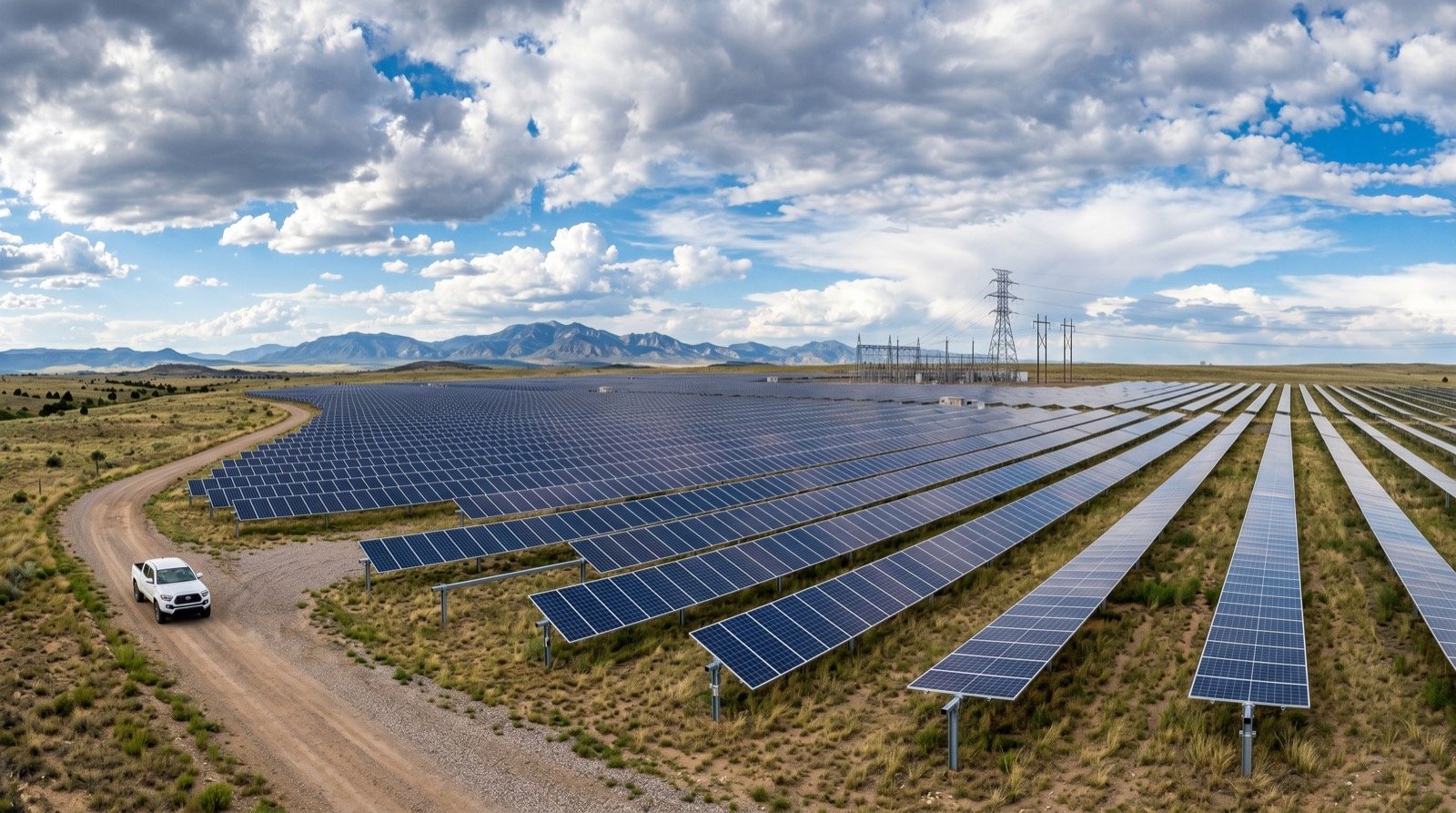
Islamabad enjoys clear skies for much of the year and milder summer temperatures than the southern plains, which actually helps panels perform efficiently. Cooler ambient conditions reduce the thermal losses that sap output in hotter cities, so a well-designed array here delivers excellent annual yield.
Many homes sit on sloped plots in sectors and private societies, so roof orientation and shading from the Margalla foothills must be studied carefully. A professional solar installation in Islamabad begins with a shade analysis that maps obstructions across the whole day, ensuring panels sit where they capture the most sun.
Winter performance and tilt
Because winters bring low sun angles, installers often set a slightly steeper tilt to boost cold-season production and help rain wash away dust. The U.S. Department of Energy explains how tilt and orientation shape annual output, and you can read their guidance at the U.S. Department of Energy.
The Solar Installation in Islamabad Process, Stage by Stage
A professional project follows a clear sequence. Each stage has a purpose, and skipping any one of them usually shows up later as underperformance or safety issues.
- Site survey and shade study to confirm usable roof area.
- Load analysis using your past twelve months of electricity bills.
- System design, including panel layout, inverter sizing, and cabling plan.
- Structural check and mounting selection for your roof type.
- Physical installation of racking, panels, inverter, and safety isolation.
- Commissioning, testing, and net-metering application.
Attention to detail at every stage is what separates lasting work from quick jobs, which is why homeowners increasingly seek out quality service providers who document each step. The same engineering discipline applies whether you are commissioning a rooftop here or buying solar panels in Quetta, where high altitude and cold nights demand careful equipment selection.
Equipment Choices That Suit the Capital
Component selection should reflect Islamabad’s climate rather than a one-size template. The table below compares common choices and why they fit local conditions.
| Component | Recommended Choice | Why It Fits Islamabad |
|---|---|---|
| Panels | Mono PERC or N-type | Strong output in cool, clear weather |
| Inverter | Hybrid, string type | Allows battery backup during outages |
| Mounting | Aluminum, adjustable tilt | Optimizes low winter sun angle |
| Cabling | UV-rated DC cable | Withstands strong highland sunlight |
Hybrid inverters are popular in the capital because they let homeowners add batteries later for load-shedding protection without replacing the core system. For hillside plots, adjustable racking lets the team fine-tune tilt for the best year-round balance.
Safety features you should insist on
Proper DC and AC isolation, surge protection, and correct earthing are non-negotiable. These components protect your home and your equipment during faults or lightning, which the hills around Islamabad can see during monsoon storms. A quality installer includes them as standard and labels every disconnect clearly.
Maintenance and Monitoring After Commissioning
Installation is only the beginning of a twenty-five-year relationship with your system. The good news is that rooftop solar demands very little upkeep in the capital’s climate. A light rinse during long dry spells, plus an annual inspection of wiring, connectors, and mounting bolts, keeps everything running at peak output.
Monitoring is where smart owners gain an edge. Modern inverters stream daily production to an app, so you can compare actual output against the design estimate. If numbers dip unexpectedly, the usual culprits are dust, new shading from a growing tree, or a loose DC connection, all of which are easy to resolve early.
Dust management matters more than many buyers expect. The capital sees seasonal dust, and a thin film can shave several percent off production. A simple cleaning schedule, timed before the hot months, recovers that lost yield and protects your return on investment.
A practical first-year routine
Check the monitoring app weekly for the first few months to learn your system’s normal rhythm. Schedule one professional inspection at the end of the first year to confirm every bolt and terminal is secure after a full cycle of seasons. This light-touch routine prevents nearly all common faults before they affect output.
How Long Does Solar Installation in Islamabad Take?
The physical work on a typical home system takes one to three days, depending on size and roof complexity. Commissioning and testing add another day. The longest step is usually net metering, which involves a bidirectional meter and approval from the distribution company and can take a few weeks.
A well-organized installer runs the paperwork in parallel with the physical work, so the system is ready to export the moment approval lands. Ask for a written timeline with milestones so you can track progress rather than guess.
Frequently Asked Questions
Do I need permission for a rooftop system in Islamabad?
For grid-tied systems you need a net-metering agreement with your distribution company, which your installer typically arranges. Some housing societies also have their own guidelines, so confirm both before work begins.
Will panels handle hail and monsoon storms?
Quality panels are tested to withstand hail impacts and heavy rain. Proper mounting and secure cabling keep the array stable through monsoon winds. Ask for the panel’s impact rating in the datasheet.
How much roof space do I need?
As a rough guide, each kilowatt needs about seven to ten square meters of unshaded roof. A site survey confirms the exact usable area after accounting for shading and walkways.
Is battery backup worth it in Islamabad?
If outages disrupt your routine, a battery sized for essential loads is valuable. For pure savings, grid-tied net metering is more cost-effective, so match the choice to your priority.
Final Thoughts and Next Steps
A successful solar installation in Islamabad rewards the homeowner who understands the process and chooses an installer who respects every stage. From the shade study to commissioning, each step protects your output, your safety, and your long-term savings. The capital’s climate is genuinely well suited to rooftop solar, so the potential returns in 2026 are strong.
Ready to begin? Book a site survey, request a milestone-based timeline, and ask for references from completed projects in your sector. With the right team, your clean-energy system can be generating real savings within weeks.